

A New Dawn for Palestine: The Courageous Step of President Macron,
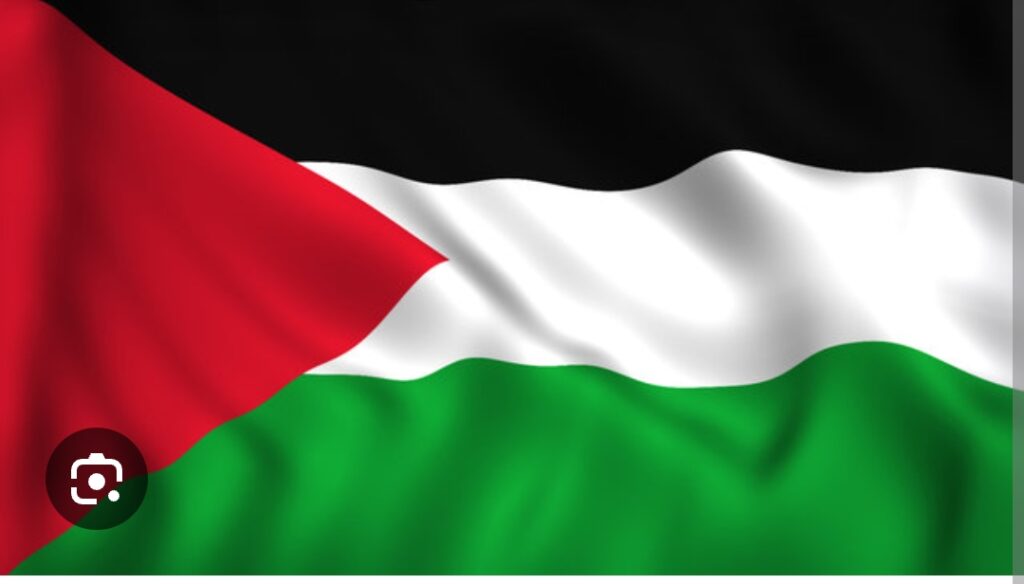
In a world often marred by conflict and division, acts of bravery shine like beacons of hope. Recently, President Emmanuel Macron of France made a significant decision: he recognized the statehood of Palestine. This act, while long overdue, is a courageous step towards justice and reconciliation in a region that has seen too much suffering. As the saying goes, “better late than never,” and in the name of humanity, we owe a debt of gratitude to President Macron for his bold stand.
The recognition of Palestine’s statehood is not merely a political gesture; it is a profound acknowledgment of the rights and aspirations of a people who have endured decades of occupation, displacement, and genodide. the Palestinian struggle for statehood has been overshadowed by geopolitical maneuvering and entrenched narratives. By taking this step, Macron has not only aligned himself with international law and UN resolutions but has also reminded the world of the moral imperative to support the oppressed.
However, this recognition must be viewed through a holistic lens. The concept of “right” cannot be fragmented; it demands an all-encompassing approach. The Israeli-Palestinian conflict is complex, and any resolution must recognize the rights and dignity of both parties involved. The notion of two states existing side by side, as envisaged in various UN resolutions and the Oslo Accords, must be more than just a theoretical ideal. It requires genuine commitment from both Israel and Palestine to engage in meaningful dialogue and mutual recognition.
If Israel were to embrace the concept of two states, acknowledging Palestine as a sovereign entity, the path to peace could be within reach. The Abraham Accords, which have garnered attention for normalizing relations between Israel and several Arab nations, could serve as a logical progression in this journey. The recognition of Palestine would not only validate the Palestinian narrative but also facilitate a more inclusive and stable Middle East.
Yet, this vision raises critical questions about the future of governance and security in both states. If peace were to be achieved, the issue of arms possession becomes a contentious topic. The current dynamics suggest that groups like Hamas, which have historically operated outside the bounds of formal governance, would need to be integrated into the political fabric of a future Palestinian state. In such a scenario, the possession of arms would transition from being a symbol of resistance to a responsibility of governance. It would necessitate a system where arms are registered and regulated, ensuring they serve the public interest rather than perpetuate conflict. So the question of arms should be forgotten.
The question remains: will this vision come to fruition? The answer lies in the willingness of both sides to engage in dialogue and compromise. For Palestinians, the recognition of their statehood is a matter of survival, a chance to reclaim their identity and rights. For many in Israel, particularly those aligned with the more extremist factions, acceptance of a two-state solution may be viewed as a betrayal of their historical and ideological commitments. The road to peace is so fraught with challenges, and the potential for resistance from hardline elements on Israeli side cannot be underestimated.
In this delicate dance of diplomacy, it is essential for the international community to play a proactive role. The United Nations, as a global platform for dialogue and negotiation, must mobilize support from all corners of the world to advocate for this vision of peace. A large consensus, transcending borders and political affiliations, is crucial for the success of any initiative aimed at resolving the Israeli-Palestinian conflict. The UN General Assembly could serve as a stage for presenting this case, rallying nations around a shared commitment to peace and security.
To achieve this ambitious goal, the initiators of the peace process must be equipped with a clear strategy and a compelling narrative. This involves not only addressing the immediate concerns of both parties but also fostering a culture of mutual respect and understanding. Grassroots movements, civil society organizations, and influential leaders and societies from both sides must be engaged in this process, ensuring that the voices of ordinary people are heard and considered.
As we reflect on President Macron’s courageous decision, we must remember that the journey towards peace is not linear. It is a complex tapestry woven with the threads of history, identity, and aspiration. The recognition of Palestine is a significant milestone, but it is only the beginning of a much larger endeavor. The hope is that, through dialogue, empathy, and a commitment to justice, both Israelis and Palestinians can find common ground and build a future where coexistence is not just a dream but a tangible reality. The hard linners will need to be dealt with legally and economically by all peace lovers. The government of USA need to align with this humanitarian and rightful act of bravery.
In conclusion, while the recognition of statehood for Palestine by President Macron is a commendable act of bravery, it must be accompanied by a genuine commitment to the principles of justice and equality. The path to peace requires the courage to confront difficult truths, the willingness to engage in dialogue, and the determination to build a future where both peoples can thrive. As global challenges mount, from climate change to social inequality, the world indeed watches with hope, yearning for decisive action.
This moment is pivotal; it demands not just acknowledgment but a collective commitment to peace. The urgency of the circumstances calls for innovative solutions and collaborative efforts, reminding us that the time for action is now. We must seize this opportunity to create a sustainable future, harnessing the collective will of individual leaders, communities, and nations. By embracing this responsibility, we can transform hope into tangible progress, fostering a world that thrives for generations to come.