
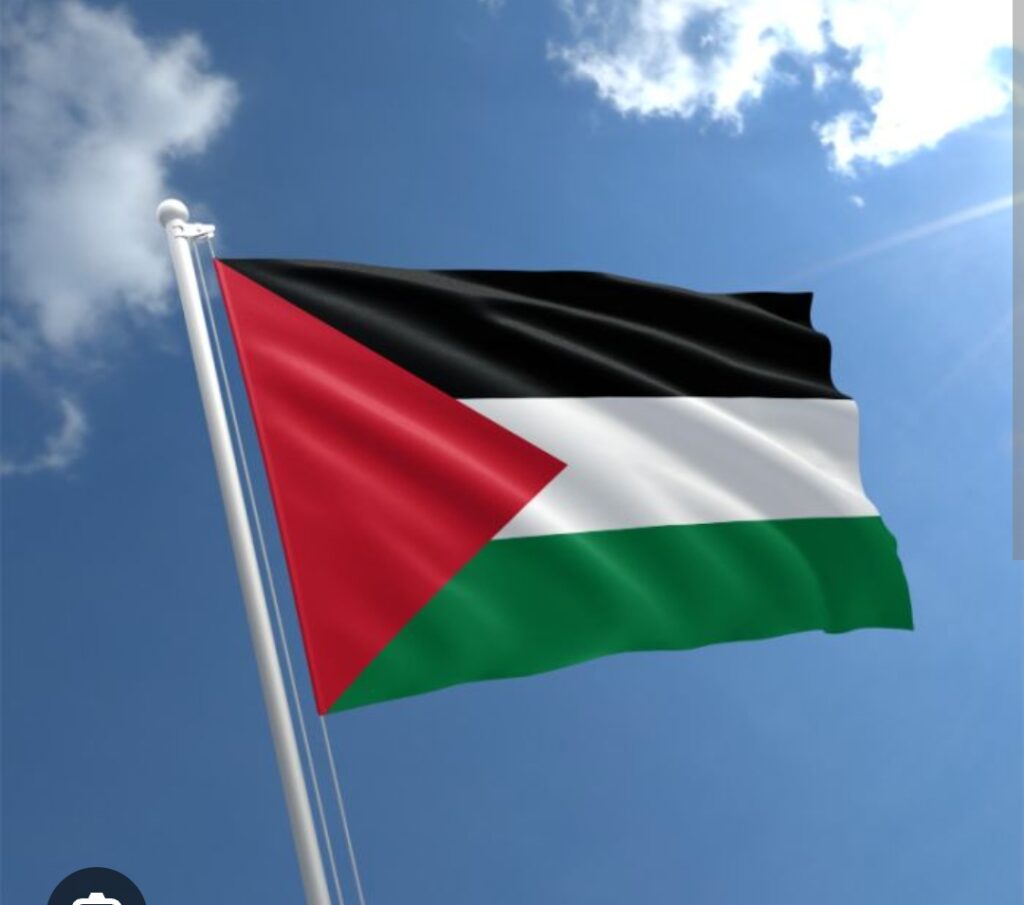
From Recognition to Liberation: The Imperative of a New Realpolitik for Palestine:
The recognition of Palestinian statehood by over 150 nations stands as a watershed moment in modern history. It is a profound diplomatic and moral victory, a long-overdue affirmation of a people’s right to self-determination after decades of struggle. Yet, to view this milestone as the culmination of the Palestinian journey would be a critical error. It is not the final victory, but rather the beginning of a new, more complex chapter—a long and tedious march where the terrain shifts from symbolic affirmation to the hard ground of geopolitical reality. The path to true liberation now demands a decisive shift in strategy, moving beyond appeals and armed resistance to the disciplined, unified force of diplomacy and realpolitik.
The sheer number of nations recognizing Palestine has irrevocably altered the international landscape. It represents a global consensus that can no longer be ignored, creating a formidable foundation for the next phase of the struggle. However, this diplomatic capital will be squandered without a coherent and proactive strategy. The primary responsibility for leading this effort falls upon the collective shoulders of the Arab League and the Organisation of Islamic Cooperation (OIC). These bodies must evolve from platforms for issuing condemnations into engines of coordinated action. Their task is to forge a unified diplomatic front, ensuring that their substantial voting power in the United Nations and other international fora is consistently wielded with strategic precision. This involves not only advocating for Palestine but also establishing clear conditionality—linking economic partnerships, aid, and diplomatic relations with other nations to their adherence to international law and their stance on Palestinian rights.
Simultaneously, the broader international community that demonstrated such steadfastness must now channel its moral conviction into revitalizing the very institutions designed to safeguard global peace. The United Nations, often paralyzed by geopolitical rivalries, must be brought back to life. The 150 supportive nations have a responsibility to move beyond recognition to enforcement, championing accountability through mechanisms like the International Court of Justice and supporting consequences for violations of international law and human rights conventions. This is essential to restore credibility to the long ago established world order and uphold human dignity.
Yet, diplomacy alone is insufficient without the leverage to make it persuasive. This is where the most critical strategic shift must occur—a move away from what can be perceived as naivety towards a clear-eyed pursuit of vital interests. The Arab and Islamic world possesses immense, yet often underutilized, power: economic strength. The strategic application of this power through coordinated policies on energy, investment, and trade represents a “sure way to convince” powers like the United States and its ally, Israel. By leveraging their economies as tools of statecraft, these nations can force a recalculation of interests in Washington and Tell Aviv, making support for the occupation increasingly untenable.
Furthermore, to alter the fundamental security calculus, the Arab world must seriously consider building collective defense pacts modeled on alliances like NATO, shifting to China and Russia for defence harware. The formation of credible, integrated security architectures would serve as a powerful deterrent, signaling that aggression against one is aggression against a coalition. This would not only enhance regional security but also dramatically increase diplomatic leverage, creating a more balanced negotiating table.
- In conclusion, the recognition of Palestine is a historic turning point that marks the end of one struggle and the beginning of another. The path to final victory requires abandoning outdated approaches and embracing a sophisticated, long-term strategy grounded in realpolitik. This means the Arab and Islamic world must unite to lead a diplomatic offensive, wield its economic power with strategic intent, and build credible security alliances. The world community must support this by breathing life into international law. The march ahead is indeed long and tedious, but by playing the complex game of global politics with wisdom and resolve, the force of diplomacy can achieve what decades of conflict and pleading could not: a free and sovereign Palestine and a safe world.