
Netanyahu and the Global State of Affairs: A Call for Reflection and Responsibility
The State of Israel, established in 1948 amidst the tumult of post-World War II geopolitics, has been a focal point of conflict and controversy for decades. Born from a complex tapestry of historical, incidents, grievances, aspirations, and international politics, Israel’s existence, jaxtaposiioned Palestinian existance, have often been marked by violence and discord. The narratives surrounding Israel and Palestine are not merely tales of national identity; it is also one of war, displacement, and the struggle for peace in a region fraught with tension.
The Historical Context
The establishment of Israel was a momentous event that followed the Holocaust, a tragedy that underscored the urgent need for a safe haven for Jews worldwide. However, this creation was accompanied by the forced displacement and persecution of Palestinians, the NAKBA, leading to a protracted conflict that has seen both sides suffer immensely. The wars that followed—most notably the 1948 Arab-Israeli War, the Six-Day War in 1967, and the Yom Kippur War in 1973—were devastating, leaving deep scars on the collective psyche of both Israelis and Palestinians.
One of the darkest chapters in this ongoing saga is the Sabra and Shatila massacre of 1982, where thousands of Palestinian refugees were killed in an Israeli brutal assault Libanon. This event, and others like it, have led to accusations of ethnic cleansing and war crimes against the Palestinian people, particularly under governments that have adopted hardline policies comparable to the Nazi and apartheid. The ocupation, settlement expansions and demolitions in the West Bank has further complicated the situations, as owners were expulsed,jailed or killed, homes and farmlands are appropriated, leading to increased tensions and violence.
The Role of International Law
For many, the actions of the Israeli governments, particularly under Prime Minister Benjamin Netanyahu, appear to flout international law and norms. The Israeli leadership has often dismissed the authority of international organizations, viewing them as obstacles to its over ambitious national interests. This perspective has fueled a narrative of impunity, where hardline Jews believe military actions are justified in the name of national security, regardless of the humanitarian cost.
The geopolitical landscape has been further complicated by Israel’s influence over American foreign policy. Allegations have surfaced that Israeli intelligence has played a pivotal role in justifying U.S. military interventions in Iraq, Libya, and beyond, often based on dubious claims regarding weapons of mass destruction. These actions have not only destabilized the Middle East but have also contributed to a broader cycle of alienation, violence and retaliation.
The Current Crisis
As we approach the years 2024-2025, the situation has escalated dramatically. The recent invasion of the Gaza Strip, resulting in the deaths of tens of thousands of civilians and the displacement of countless others, has drawn international condemnation. The humanitarian crisis unfolding in Gaza is a stark reminder of the human cost of political decisions. The images of destruction and suffering resonate globally, prompting calls for accountability and a reevaluation of the Israeli government’s nature and policies.
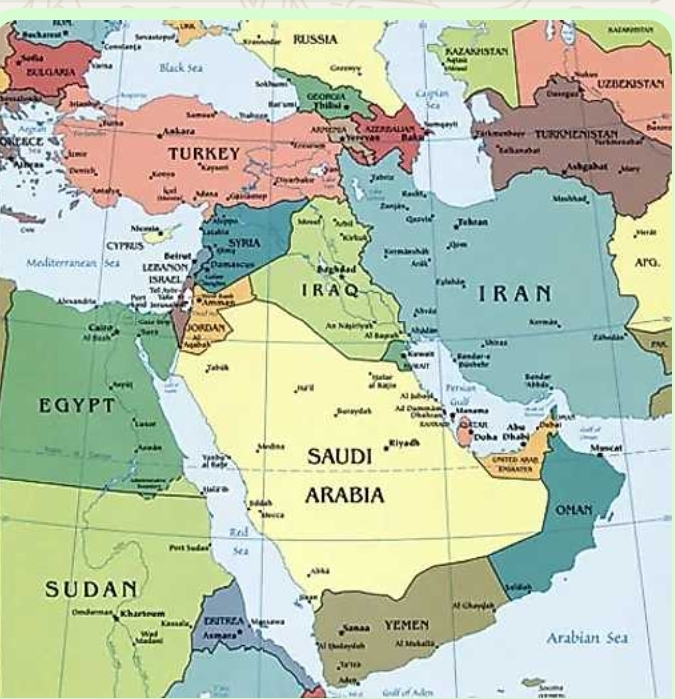
Simultaneously, Israel’s aggressive posture towards Iran has raised alarms. The accusations that Iran is on the verge of developing nuclear weapons have been met with skepticism by many in the international community. Iran, a signatory of the Nuclear Non-Proliferation Treaty, has consistently maintained that its nuclear program is for peaceful purposes. It is paradoxically well known that Israel possesses nuclear bomps and does not adhere to the treaty nor does it accept the inspection of the agent.The potential for conflict between Israel and Iran, especially with the involvement and interests of global powers like the United States, Russia, and China, poses a dire threat to regional and global stability. Pakistan, and North korea, both nuclear powers, warn USA, begging her not to join this war on Israel’s side but instead urge her to leverage a ceasefire.
The Global Response
In this critical juncture, the world looks towards influential leaders, particularly President Trump, to intervene. The call for a ceasefire and negotiation is not merely a plea for peace; it is an urgent demand for responsibility and humanity. The specter of a third world war looms large, and the stakes could not be easy. The need for diplomacy, dialogue, and a genuine commitment to peace has never been more pressing.
The role of global citizens and leaders is paramount. It is essential to recognize that the actions of one government do not define the aspirations of its people. Many Israelis yearn for peace and coexistence, just as many Palestinians seek justice and recognition. It is crucial to distinguish between the policies of a government and the desires of its populace.
A Call for Courage and Humanity
As we navigate these tumultuous times, it is imperative to foster a culture of courage and respect for humanity. The rhetoric of war and division must give way to dialogue and understanding. The path to peace is fraught with challenges, but it is a journey worth undertaking. Leaders must be held accountable for their actions, and the international community must stand firm in its commitment to uphold human rights and international law.
The responsibility to act lies not only with political leaders but also with individuals and civil society across the globe. We must advocate for compassion and understanding, recognizing our shared humanity in the face of conflict. The narratives of fear and hatred must be replaced with stories of reconciliation and hope. Arrogancy must not be allowed to occupy dominant position.
In conclusion, the situation surrounding Netanyahu and the State of Israel is a complex interplay of history, politics, and human rights. As we stand on the precipice of potential catastrophe, it is crucial to reflect on our collective responsibility. The world must come together to demand accountability, advocate for peace, and ensure that the lessons of the past are not forgotten. The time for action is now, and it is a call that transcends borders and ideologies. Courage and respect for humanity must be earned, not taken for granted, as we strive for a future where peace is not just a distant dream but a tangible reality.