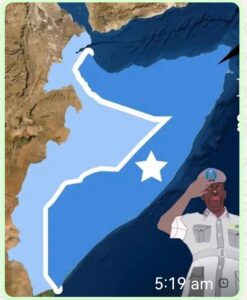

The Heart of Somalia: Loyalty, Betrayal, and the Quest for Sovereignty:
In the heart of the Horn of Africa lies Somalia, a nation steeped in rich history, vibrant culture, and an indomitable spirit. However, the Somali people have witnessed a series of heart-shocking events and rhetoric from high-ranking officials, particularly in Puntland and Somaliland, with echoes in Jubbaland. These developments have raised profound questions about loyalty, patriotism, and the sacrifices necessary to defend a nation that has endured so much. Somalia, as a collective identity, deserves respect, unwavering loyalty, and a readiness to sacrifice for its defense in every circumstance.
The Essence of Somaliness:
To understand the current dynamics, it is vital to grasp the essence of what it means to be Somali. Somaliness is not merely a matter of ethnicity; it is a profound commitment to the land, its people, and the enduring legacy of resilience in the face of adversity. It embodies a sense of belonging that transcends individual grievances, urging citizens to prioritize the nation’s welfare and dignity above all else. This allegiance is not blind; it allows for criticism, debate, and negotiation. However, it draws a firm line against betrayal.
Betrayal, in this context, manifests in various forms. It can be the act of a public official who chooses to serve foreign interests over national pride, signing Memoranda of Understanding (MoUs) that cede parts of the country to external powers. It can also be the rhetoric that undermines the very fabric of the nation, such as calls to maintain the shackles of debt and the arms embargo, which perpetuate Somalia’s vulnerability. The recent incident involving a cargo ship laden with arms destined for Somali defense forces has raised significant concerns within the Somali and international community. This operation, particularly given its origins in Turkey—a nation often regarded as a strategic ally—highlights the complexities of international relations and the challenges of regional stability. The embarrassment stems not only from the breach of established protocols but also from the potential ramifications for Somalia, which continues to grapple with internal strife. Such actions underscore the delicate balance between support for national defense and the risks of exacerbating conflict in fragile states.
Knowing Such actions are not merely political missteps; they are acts of high treason that threaten the sovereignty and dignity of the Somali people.
The Role of Leadership:
Leadership in Somalia has always been a double-edged sword. On one hand, leaders are expected to guide their people towards prosperity and stability. On the other, they are often tempted by the allure of power and the influence of foreign entities. The tragic reality is that some high-ranking officials have succumbed to this temptation, prioritizing personal gain over national interest. This betrayal is particularly poignant when one considers the sacrifices made by ordinary citizens who continue to strive for a better future for their families and their country.
The Somali populace, aware of these betrayals, should begin to react. A lively and resilient people, they must express their discontent and demand accountability from their leaders. The voices of the citizens resonate with a collective yearning for a future free from the shackles of betrayal, where loyalty to the nation is paramount.
The Tribe vs. the Nation:
In the intricate tapestry of Somali society, tribal affiliations often hold significant sway over individual loyalties. It is not uncommon for allegiance to be given to a leader solely based on tribal identity, even when that leader is leading the community toward an abyss. This tribalism, while rooted in historical contexts, poses a challenge to national unity. It creates a paradox where individuals may support a traitor from their tribe, overlooking the broader implications of such loyalty.
This dynamic underscores the need for a shift in perspective. Somalis must recognize that their true allegiance should lie with the nation as a whole, rather than being bound by tribal affiliations. The strength of Somalia lies in its diversity, and embracing this diversity can pave the way for a more inclusive and unified future. By prioritizing national interests over tribal loyalties, the Somali people can collectively work towards a sovereign status that respects the dignity of all citizens.
The Call for Unity:
In light of these challenges, the call for unity among Somalis has never been more urgent. The nation must come together to confront the threats posed by internal betrayal and external manipulation. This unity should be founded on mutual respect, understanding, and a shared vision for a prosperous Somalia. It is essential to foster a culture of patriotism that transcends tribal lines, encouraging citizens to engage in constructive dialogue and collaboration.
Moreover, the government must take concrete steps to regain the trust of its citizens. Transparency, accountability, and a commitment to serving the people are crucial in rebuilding the relationship between the government and the populace. Leaders must demonstrate that their loyalty lies with the nation, ensuring that decisions are made in the best interest of Somalia and its people.
A Vision for the Future:
As Somalia stands at a crossroads, the path forward requires a collective awakening to the responsibilities of citizenship. The Somali people must demand that their leaders embody the values of loyalty, sacrifice, and patriotism. This demand is not merely a call for better governance; it is a plea for a renewed commitment to the nation’s sovereignty and dignity.
The future of Somalia hinges on the ability of its citizens to rise above individual grievances and tribal loyalties, embracing a shared identity that honors the sacrifices of those who came before. It is a future where every Somali, regardless of their background, can contribute to a nation that stands tall and proud on the world stage.
Conclusion:
In conclusion, the heart of Somalia beats with the aspirations of its people, who deserve a nation that reflects their dignity and resilience. The challenges posed by betrayal and tribalism must be confronted with courage and unity. Somaliness calls for a loyalty that transcends individual grievances, urging all citizens to prioritize the welfare of their nation. As the Somali people navigate these turbulent waters, they must remember that their strength lies in their collective spirit—a spirit capable of overcoming adversity and forging a brighter future for generations to come. The time has come for Somalia to reclaim its sovereignty, to demand respect, and to stand united in the face of any challenge.