
The Looming Crisis: A Call to Action for Djiboutians.
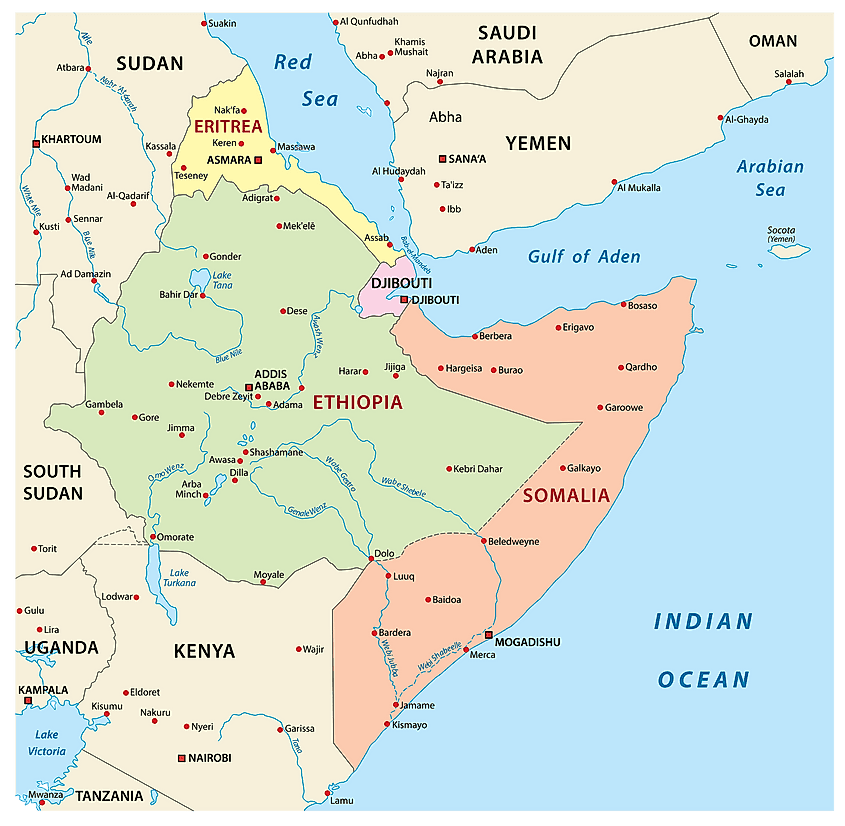
As the sun blazes mercilessly over the parched earth, a specter looms large over the Horn of Africa—a severe drought, long predicted and now a stark reality, threatens not only livelihoods but the very essence of life itself. The relentless heat, with temperatures soaring above 40°C as June draws to a close, is a harbinger of a catastrophe that could engulf the region if the anticipated seasonal rains of “Karan” do not arrive. Two periods; “Xais and Diraac” already dry-without rain. The implications of this crisis extend far beyond the borders of Djibouti extending to the neibouring Awdal in Somalia and Sitti in Ethiopia; they ripple through the fabric of Djibouti, a country itself poised at the brink of the same drought-caused humanitarian challenge.
The statistics are staggering. Livestock, the backbone of pastoral communities, are perishing by double digits daily, their once-vibrant forms now mere shadows of despair. Fields that flourished with life are now skeletal reminders of a time when the earth yielded sustenance in abundance. The climate crisis is not a distant threat; it is here, and it is wreaking havoc on the lives of countless individuals who depend on the land for their survival. As we stand on the precipice of this disaster, it is imperative that we recognize the urgency of the situation and the collective responsibility that binds us all.
The forecast for the coming months is grim. July and August are expected to shatter previous temperature records, leaving communities gasping for relief. The specter of mass migration looms, as families from the affected regions may be compelled to flee towards Djibouti City, a place already grappling with its own challenges. The Republic of Djibouti has declared emergency measures, but the resources available may prove inadequate to address the impending influx of refugees. This is not merely a logistical issue; it is a moral one that calls for immediate and decisive action from every Djiboutian.
In times of crisis, the strength of a community is tested. The bonds that tie us together—family, friendship, and shared history—become our lifelines. The populations of Awdal and Sitti are not strangers to us; they are our relatives, our neighbors, our kin. The traditional wisdom of our ancestors resonates now more than ever: we are our brother’s keeper. In the face of this calamity, we must rise to the occasion, embracing the ethos of solidarity and compassion that has defined our culture for generations.
It is heartening to see that some individuals have already begun to respond to this crisis with acts of kindness and generosity. Whether through organizing food drives, providing shelter, or offering emotional support, these grassroots efforts serve as a beacon of hope amidst the encroaching darkness. However, individual actions, while noble, must be complemented by a collective response that harnesses the strength of our entire community.
The role of the international community cannot be overstated. As we brace for the potential influx of refugees, it is crucial that we alert global donors and humanitarian organizations to the impending crisis. The support of the international community is vital in mitigating the pressures that may arise from an influx of displaced persons. Aid must be mobilized swiftly and efficiently to ensure that those who have already suffered so much do not face further hardship. The responsibility of advocacy lies with us; we must raise our voices to call for the assistance that our brothers and sisters in the affected regions so desperately need.
Moreover, we must also reflect on the long-term implications of this crisis. Climate change is not a fleeting concern; it is an existential threat that requires robust and sustained action. As Djibouti grapples with the immediate challenges posed by drought, we must also commit to addressing the underlying issues of environmental degradation and resource management. Investing in sustainable agricultural practices, improving water conservation methods, and fostering community resilience will be essential in ensuring that we are better prepared for future challenges.
In this moment of crisis, we are reminded of our shared humanity. The drought that threatens to consume livelihoods is not just an environmental disaster; it is a call to action for every Djiboutian. As we navigate the complexities of this situation, let us do so with open hearts and unwavering resolve. We must stand vigilant, united in our commitment to support those in need, and proactive in our efforts to build a more resilient future.
In conclusion, the drought that besets the Horn of Africa is a clarion call for solidarity and action. The responsibility lies with us, the people of Djibouti, to respond to this crisis with compassion and determination. Together, we can face the challenges ahead, ensuring that no one is left behind in the struggle for survival. Let us heed the lessons of our past and embrace the spirit of unity that has always defined us. The time to act is now, and together, we can weather this storm.