
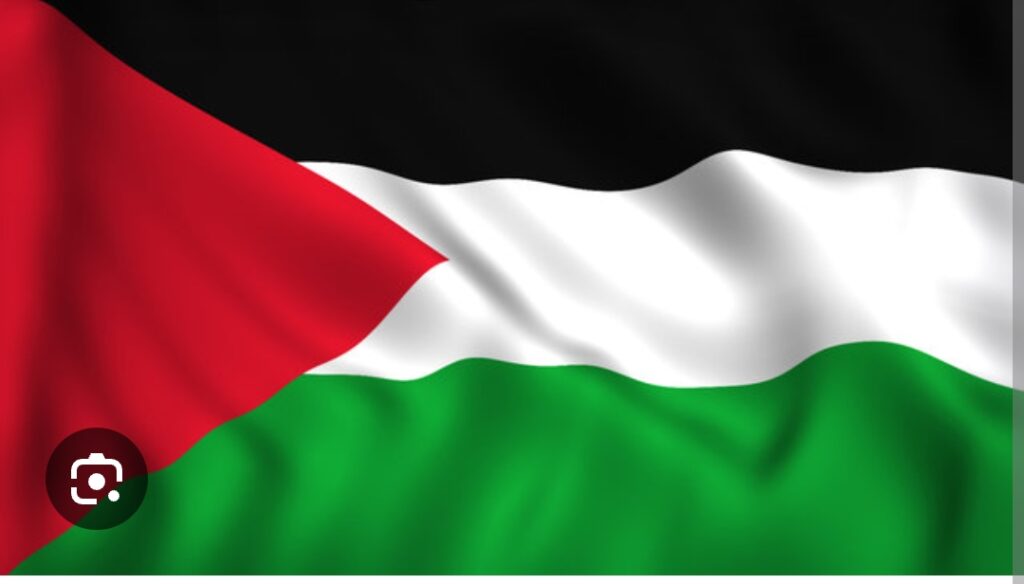
The Tapestry of Conflict: Weaving Through the Israeli-Palestinian Narrative:
In the heart of the Middle East, a tapestry of history, identity, and conflict unfolds—a narrative that has persisted for over a century. The Israeli-Palestinian conflict, emblematic of broader global tensions, embodies the intricate interplay of nationalism, colonial legacies, and the quest for sovereignty. As we navigate this complex landscape, it becomes imperative to engage with the multifaceted dimensions that shape this ongoing struggle, for it is not merely a regional issue but a reflection of the global order itself.
The Historical Loom:
To understand the contemporary dynamics of the Israeli-Palestinian conflict, one must first examine the historical threads that have woven themselves into this narrative. The late 19th and early 20th centuries saw the rise of nationalist movements, both Jewish and Arab, fueled by a desire for self-determination. The Balfour Declaration of 1917, which expressed British support for a “national home for the Jewish people” in Palestine, marked a pivotal moment. It ignited aspirations among Jews for a homeland while simultaneously sowing seeds of resentment among the Arab population, who felt their own national aspirations and rights were being overlooked.
The subsequent waves of immigration, conflicts, and the establishment of the State of Israel in 1948 led to the Nakba, or “catastrophe,” for Palestinians—an event that saw the displacement of hundreds of thousands of Palestinians. This historical backdrop is crucial; it is not merely a series of events but a foundational narrative that continues to influence identities and perceptions on both sides.
The Geopolitical Chessboard:
Fast forward to the present, and the Israeli-Palestinian conflict is not an isolated phenomenon but a critical piece on the geopolitical chessboard. The interests of regional powers—Iran, Egypt, Saudi Arabia—and global players such as the United States, Russia, and the European Union add layers of complexity. The U.S. has historically been a staunch ally of Israel, providing military and economic support, while also attempting to mediate peace talks. However, this support has often been perceived as one-sided, exacerbating Palestinian grievances and fostering anti-American sentiments in the Arab world.
The Arab Spring and its aftermath have further complicated the landscape. The rise of the so named political Islam (Isis, Alkaida), the Syrian Civil War, and the normalization of relations between Israel and several Arab states have all shifted allegiances and recalibrated regional dynamics. The Abraham Accords, while heralded as a breakthrough, have also been criticized for sidelining the Palestinian cause, leaving many Palestinians feeling abandoned and voiceless.
Identity and Narratives:
At the core of the Israeli-Palestinian conflict lies the struggle for identity. For Israelis, the establishment of a Jewish state is seen as a refuge from centuries of persecution, a culmination of a historical and spiritual connection to the land. For Palestinians, the conflict represents a resistance, a fight against colonialism and a quest for self-determination. The narratives are deeply entrenched, and each side views the other through the lens of historical grievances, often leading to a cycle of violence and retaliation.
This clash of narratives poses a significant challenge to peace efforts. The language of victimhood dominates both discourses, complicating the search for common ground. The portrayal of the conflict in media, literature, and education often reinforces these narratives, making it difficult for individuals on both sides to empathize with the other’s plight. Bridging this chasm requires not only political will but also a profound cultural shift—one that acknowledges the legitimacy of both identities and histories.
The Quest for Solutions:
In the face of such entrenched positions, the question arises: what pathways exist toward resolution? The two-state solution has long been the cornerstone of international diplomatic efforts, envisioning a sovereign Palestinian state alongside Israel. However, the expansion of settlements, the fragmentation of Palestinian territories, and the political divisions among Palestinian factions have rendered this vision increasingly elusive.
Alternative frameworks, such as a one-state solution or confederation models, have emerged in recent discussions. Yet, these alternatives also carry their own complexities and risks, as they grapple with questions of governance, rights, and identity. Ultimately, any viable solution must prioritize human rights, security, and dignity for both Israelis and Palestinians, fostering an environment where coexistence is not just a dream but a tangible reality.
Conclusion: Threads of Hope:
As we reflect on the geopolitical complexities surrounding the Israeli-Palestinian conflict, it is essential to recognize that amid the turmoil, there are threads of hope. Grassroots movements advocating for peace, coexistence, and mutual understanding continue to emerge, challenging the dominant narratives and seeking to build bridges where walls have been erected.
The path to resolution is fraught with challenges, yet history has shown that even the most entrenched conflicts can evolve. The Israeli-Palestinian conflict serves as a microcosm of broader global tensions, revealing the interconnectedness of national identities, historical grievances, and geopolitical interests.
In this intricate tapestry, the threads of conflict and hope are woven together, reminding us that while the struggle for peace may be arduous, it is a quest worth pursuing. Only through engagement, empathy, and a commitment to justice can we hope to unravel the complexities of this enduring narrative and move toward a future where both Israelis and Palestinians can coexist in peace but first, occupation, settlements and Arab cleansing must cease.