
The Twilight of Wisdom: A Somalian Dilemma:
In the heart of the Horn of Africa, the Somali people have long celebrated their rich oral traditions, cultural values, and a societal structure that revered wisdom and experience. Elders, with their silver hair and weathered faces, were once the custodians of knowledge, guiding their communities through life’s tumultuous waters. However, a disconcerting shift has taken place in recent years, particularly in Borama, Somaliland, where the voices of the young, the untrained, and the digitally savvy have begun to drown out the wisdom of the old. This essay explores the ramifications of this shift, where wisdom gives way to fallacies, and the potential consequences of a society that embraces arrogance and moral decay.
The Rise of Youthful Hubris:
Borama, a town that has historically been a beacon of peace and stability, is witnessing a surge of youth-led movements that are both invigorating and alarming. Youngsters, once seen as the torchbearers of the future, have taken to the streets, fueled by a potent mix of social media influence and a desire to rewrite history. However, as the saying goes, “with great power comes great responsibility,” and many of these young, self-proclaimed leaders have yet to grasp the weight of their influence.
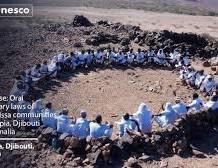
The advent of platforms like TikTok and YouTube has given rise to a new breed of influencers—individuals who, despite lacking formal education or substantial life experience, wield significant sway over public opinion. Their messages, often laced with catchy slogans and viral trends, can incite passion and provoke erroneous thought; they can also foster division and hatred. In Borama, this has manifested in alarming ways: petitions to close schools, the ousting of governors without just cause, and the arrogant trial restriction of traditional celebrations, such as those honoring the UNESCO registration of Xeer Issa as an intangible heritage. These actions, driven by a misguided sense of righteousness, threaten to unravel the very fabric of society.
The Fallacy of Instant Gratification:
One of the most troubling aspects of this generational shift is the prevalence of instant gratification that permeates the younger generation. In a world where information is at their fingertips, the urgency to act often overshadows the need for careful consideration and deliberation. The wisdom of the elders, which teaches patience, reflection, and the importance of community consensus, is being replaced by impulsive decisions that lack foresight.
Take, for instance, the call for the closure of a school in Zaila. This action may stem from a desire to challenge authority or address perceived injustices. However, such drastic measures can have far-reaching consequences that the youth may not fully comprehend. Education is a cornerstone of societal progress, and dismantling it in the name of aggressive protest can lead to a generation deprived of opportunities and knowledge. In their quest for immediate satisfaction, these young activists risk sowing the seeds of long-term instability.
The Erosion of Cultural Values:
Cultural celebrations, particularly those following the recognition of Xeer Issa, are not merely events; they are vital expressions of identity and community cohesion. They serve as reminders of shared history and collective values, fostering unity among diverse groups. However, recent attempts to restrict such celebrations in Zaila, the birth place of Xeer Issa, reflect a deeper malaise—a growing disdain for tradition and a preference for unjust revolt that often disregards the wisdom of the past.
The elders, who have spent their lives upholding these cultural practices, are increasingly sidelined by a generation that views them as relics of a bygone era. This disconnect between the young and the old can lead to dangerous polarization, where mutual respect is replaced by contempt. The implications are dire; a society that loses touch with its cultural roots risks becoming fragmented, with individuals more focused on personal gain than the collective good. In Borama, everyone knows that demands presented to the minister can cross red lines and become impossible to fulfill. The only motive seems to provoke a deadly misunderstanding between the government of Somaliland and the Issa community. Yet, the silence of Borama’s elders and Sultans in the face of this flagrant sedition raises troubling questions about their role and responsibility. The causes of bad treatment to brotherly neighbours like the Issa community might be discussed and solved together, but the strong advice is that brothers and sisters in Borama need to be reasonable and independent or free from outside influences which could also be crossing red lines.
The Dangers of Incitement and Hatred:
Perhaps the most alarming aspect of this transition is the emergence of rhetoric steeped in hatred and incitement. As the youth take to the streets, their messages quickly morph from calls for justice to expressions of animosity towards perceived adversaries. This shift is not merely a reflection of youthful passion; it is a dangerous trend that can spiral into civil strife.
The recent political turbulence in Zaila, characterized by the ousting of a governor without reason, exemplifies this perilous trajectory. Such actions, driven by emotion rather than rationality, can lead to a breakdown of law and order. When the foundations of governance are undermined by impulsive decisions and mob mentality, the consequences can be catastrophic. The potential for civil unrest looms large, as communities fracture along lines of division, fueled by hatred and mistrust.
The Call for Reflection and Responsibility:
As the people of Borama navigate this tumultuous period, it is imperative that they reflect on the values that have historically guided their society. The wisdom of the elders, once a cornerstone of Somali culture, must not be discarded in favor of fleeting trends and superficial popularity. Instead, there must be a concerted effort to bridge the gap between generations, fostering dialogue and understanding.
The youth, while brimming with energy and ambition, must also recognize the importance of patience, respect, and collective responsibility. Leadership is not merely about being heard; it is about listening, learning, and making informed decisions that consider the well-being of the entire community. The elders, too, must adapt to the changing landscape, finding ways to engage with the youth and share their wisdom in a manner that resonates with the next generation. Sticking to our common heritage and binding “Xeer Issa’, regardless of appellation, will be certain. Surely, we will celebrate together in Zaila, as we always did.
Conclusion: A Path Forward:
The situation in Borama serves as a microcosm of a broader phenomenon occurring throughout Somalia and beyond. As wisdom gives way to fallacies, the potential for societal discord increases. However, by embracing a culture of dialogue, respect, and shared values, the people of Borama can navigate this challenging landscape and emerge stronger.
In the end, leadership is not defined solely by age or experience; it is a responsibility that requires humility, empathy, and a commitment to the greater good. As the winds of change sweep through Borama, may the voices of wisdom and reason prevail, guiding the community toward a future that honors its past while embracing the promise of tomorrow. In this delicate balance lies the hope for a society that thrives on the synergy of youth and elders, where wisdom is not a relic but a living legacy, shaping the path forward.