
When the Mediator Takes Sides: Somaliland’s Dangerous Escalation Amid Conflict Between Issa and Gadabuursi.
In the intricate tapestry of human relationships, communities often find themselves embroiled in conflict, where the quest for peace can turn into a delicate dance. Mediation, in such instances, is heralded as a beacon of hope. It thrives on three fundamental pillars: the consent of both parties, the neutrality of the mediator, and a commitment to de-escalation. When these elements falter, the mediator risks transforming from a peacemaker into a combatant, exacerbating tensions rather than alleviating them. The recent actions of Somaliland- a de facto administration- in the escalating conflict between the Issa and Gadabuursi communities starkly illustrate this perilous transition, raising alarms about the ramifications of such a shift.
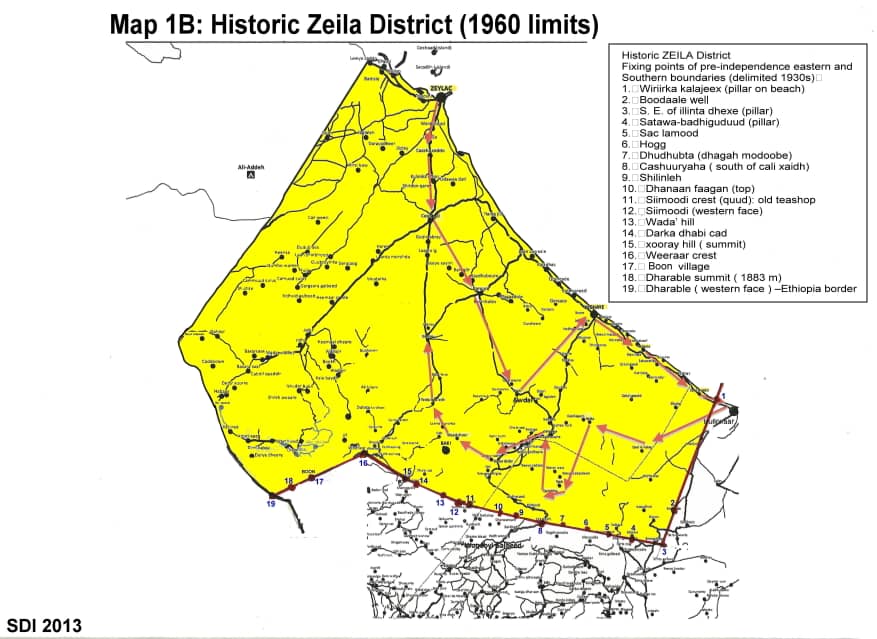
The backdrop of this conflict is steeped in historical grievances and territorial disputes, with the Gadabuursi community, backed by Somaliland administration with a proxy mission, laying claim to the Issa ancestral lands. Hypocritically, in an effort to quell the rising tensions, Somaliland announced its intention to mediate a ceasefire. However, the veneer of neutrality quickly began to crack. Observers on the ground reported that Somaliland’s approach was less about fostering peace and more about positioning itself as a decisive player in the conflict, favoring one side over the other. This deviation from impartiality not only undermines the potential for genuine resolution but also threatens to escalate an already volatile situation into a full-blown crisis.
From the outset, Somaliland’s mediation efforts appear to have been a façade. The absence of genuine consent from both parties became evident as Somaliland imposed new conditions that favored the Gadabuursi while disregarding the concerns of the Issa. Such actions are not those of a neutral mediator; they resemble a strategic maneuver designed to exacerbate divisions rather than heal them. The implications of this strategy are profound, as it risks igniting a broader conflict that could engulf the region.
The actions of Somaliland’s military forces further illuminate this troubling trajectory. Instead of acting as a buffer between the two communities and dive deep into the root causes, Somaliland’s military positioned itself behind the Issa forces, effectively cutting off their lines of communication and supply. Reports of arms and vehicles being confiscated from the Issa only serve to reinforce the perception that Somaliland has chosen a side—the Gadabuursi. This blatant display of partiality raises serious questions about Somaliland’s commitment to peace and its role as a mediator.
Moreover, the composition of the mediation team sent from Hargeisa reveals a troubling bias. Dominated by Gadabuursi officials, including high-ranking military and political leaders, the team’s lack of diversity undermines its credibility. When the very individuals responsible for overseeing peace efforts are aligned with one clan, the concept of mediation devolves into a mere tool of warfare. The implications of this one-sided approach are chilling; it suggests a deliberate strategy aimed not at peace but at the systematic dismantling of the Issa community.
The stakes of this conflict extend beyond local grievances, threatening to ensnare neighboring states in a web of geopolitical tension. The Issa community shares deep ties with the leadership of Djibouti, including President Ismail Omar Guelleh. By targeting the Issa, Somaliland is indirectly challenging Djibouti, forcing it into a defensive posture. This transformation of a clan conflict into a geopolitical struggle is fraught with danger, as it risks drawing in external actors with their own strategic interests in the region. Somaliland’s framing of the Issa as a “fifth column” only exacerbates the situation, painting a target on the back of a community that has historically sought coexistence.
The potential for this conflict to spiral out of control is alarming. As Somaliland continues down its current path, the consequences could be catastrophic—not only for the Issa and Gadabuursi communities but for the entire Horn of Africa. The specter of ethnic cleansing looms large, with reports suggesting that the ultimate objective may be the forced displacement of Issa civilians from their ancestral lands. Such actions would constitute a grave violation of international law and a direct affront to the principles of peaceful coexistence.
In light of these developments, the international community must take heed. Organizations such as the African Union, IGAD, and the United Nations must closely monitor the situation, scrutinizing the composition of Somaliland’s mediation team, the movements of its military forces, and the patterns of confiscation and supply cuts. Independent observers must be allowed access to the affected areas to assess the situation on the ground. The time for action is now; should Somaliland persist in its current trajectory, it risks igniting a much larger conflagration that could destabilize the entire region.
Mediation that takes sides is not mediation at all; it is war by other means. The consequences of such a transformation are dire, as war, once unleashed, is not easily contained. The world must watch closely and act decisively before the first reports of mass killings and displacement become an irreversible flood. The fate of the Issa, the Gadabuursi, and the broader Horn of Africa hangs precariously in the balance, demanding urgent attention and intervention.
In conclusion, the situation in Somaliland serves as a stark reminder of the fragility of peace and the profound responsibilities borne by those who seek to mediate conflicts. When mediators lose their neutrality and favor one side, they not only undermine the potential for resolution but also sow the seeds of deeper discord. The path forward must prioritize genuine settlement objectives, mutual consent, and the unwavering commitment to de-escalation. Only then can the promise of peace be realized, and the specter of conflict be banished from the lives of the communities caught in its crosshairs. The world must act, lest we witness the tragic consequences of a mediator that has forgotten its role and taken up arms in a battle it was meant to resolve.