



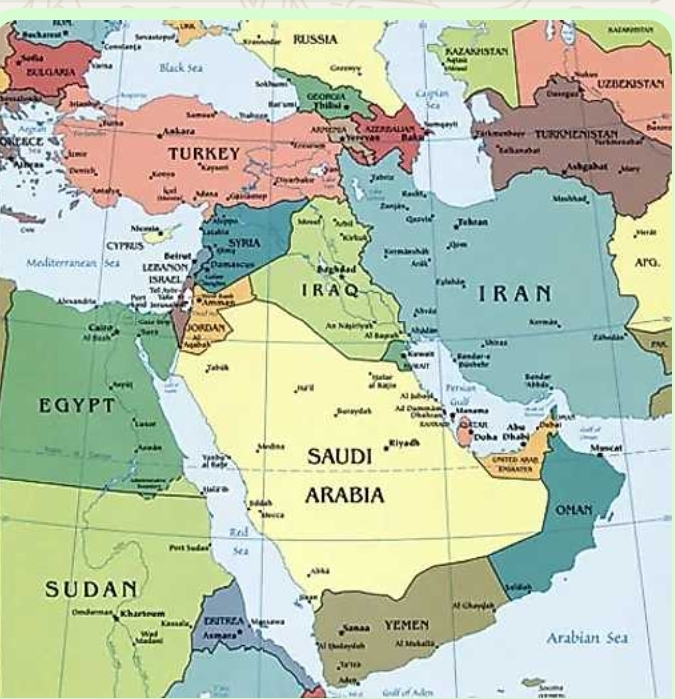
A New Dawn in the Middle East: The Ceasefire Between Iran and Israel.
In a world where geopolitical tensions often seem insurmountable, the recent achievement of a ceasefire between Iran and Israel marks a significant turning point in Middle Eastern diplomacy. Spearheaded by President Donald Trump, this ceasefire lays the groundwork for negotiations that could address some of the region’s most pressing issues. The stakes are high, and the potential outcomes are complex. This essay will explore the possible resolutions regarding the Iranian nuclear program, Palestinian independence, Iran’s relations with global powers, Israel’s regional involvement, and overarching Middle Eastern security concerns.
The Iranian Nuclear Program: A Path to Diplomacy.
At the heart of the negotiations lies the contentious issue of Iran’s nuclear program. For years, this program has been a flashpoint in U.S.-Iran relations and has fueled tensions between Israel and its neighbors. The ceasefire presents a unique opportunity for dialogue. Rather than viewing Iran solely as a threat, the parties involved might consider a more collaborative approach.
One possible outcome could be a revised nuclear agreement that includes stringent regulations and transparent inspections. This would not only address Israel’s security concerns but also provide Iran with the international legitimacy it seeks. A framework could be established where Iran receives economic incentives in exchange for verifiable commitments to curtail its militry nuclear ambitions. A civilian nuclear production will suffice in exchange of convincing Israel to descend to the same level and conditions. This would not only stabilize the region but also pave the way for Iran’s and Israeli reintegration into the global and regional community.
Palestinian Independence: A Two-State Solution Revisited.
The issue of Palestinian independence remains one of the most contentious in Middle Eastern politics. The ceasefire could serve as a catalyst for renewed discussions around the two-state solution, which envisions a sovereign Palestinian state alongside Israel. However, the realities on the ground—especially concerning settlements and the ongoing Gaza conflict—complicate this vision.
Negotiations could focus on a phased approach to Palestinian statehood. This would involve addressing key issues such as borders, the status of Jerusalem, and the right of return for Palestinian refugees. A significant step would be a freeze on Israeli settlements in the West Bank, which would demonstrate goodwill and foster trust. Additionally, a comprehensive plan for Gaza’s reconstruction and economic development could mitigate the humanitarian crisis and reduce hostilities.
Iran’s Global Relations: A Shift in Alliances.
Iran’s relationships with global powers, particularly Russia and China, are crucial to understanding the broader geopolitical landscape. These alliances have strengthened in recent years, particularly through platforms like BRICS and initiatives such as the Silk Road. However, the ceasefire opens a window for Iran to recalibrate its foreign relations.
Should negotiations yield positive results, Iran might find itself in a position to balance its ties with both the West and its traditional allies. This could involve a more pragmatic approach to its partnerships, focusing on economic cooperation rather than military alliances. For instance, Iran could leverage its position in BRICS to advocate for a more multipolar world, where its interests are respected without antagonizing Western powers.
Israel’s Regional Role: A New Approach to Security
Israel’s aggressive involvement in Syria and Lebanon, coupled with its relations with Arab states, has often been characterized by not only a defensive posture but a police-like offenssive posture with over ambitious territorial aims. However, the ceasefire presents an opportunity for Israel to redefine its regional role. Rather than viewing its neighbors solely through the lens of conflict, Israel could adopt a more collaborative stance.
Engaging in dialogue with Arab states, particularly those that have signed the Abraham Accords, could lead to a more stable security environment. Israel could work towards shared security initiatives that address mutual concerns, such as counter-terrorism and economic development. This would not only enhance Israel’s security but also foster a sense of regional solidarity that could be pivotal in addressing broader Middle Eastern challenges.
Middle Eastern Security: A Collective Responsibility.
The ceasefire between Iran and Israel signals a potential shift in how security is perceived in the region. Historically, security has been viewed through a unilateral lens, where individual nations prioritize their interests above all else. However, the complexities of the current geopolitical landscape necessitate a more collective approach.
A regional security framework could be established, involving not only Iran and Israel but also other key players in the region. This framework would focus on non-interference in internal affairs, addressing the root causes of conflict, and fostering economic cooperation. By prioritizing dialogue over military intervention, the Middle East could move towards a more stable and peaceful future.
The Role of Leadership: Netanyahu and Trump.
The leadership of both Benjamin Netanyahu and Donald Trump plays a critical role in shaping the outcomes of these negotiations. Netanyahu, facing political challenges at home, may find that embracing a more conciliatory approach could bolster his standing. Recognizing that hardline tactics have not yielded the desired results, he may be inclined to engage in more constructive dialogue.
Trump, with his unique position as a president and negotiator, understands the importance of pragmatism. He knows that the realities on the ground dictate that neither side can afford to push too hard. Acknowledging Iran’s historical grievances, Palestinian catastrophy and Israel’s security concerns could lead to a more balanced negotiation table.
Conclusion: A Vision for a Peaceful Middle East.
The ceasefire between Iran and Israel presents a rare opportunity for meaningful dialogue and potential resolutions to long-standing conflicts. While the challenges are formidable, the possibilities for a peaceful Middle East are within reach. By addressing the Iranian nuclear program, advocating for Palestinian independence, recalibrating global relations, redefining Israel’s regional role, and fostering collective security, the parties involved can work towards a future where understanding and cooperation replace hostility.
In this new landscape, the notion of victory or defeat becomes irrelevant. Instead, the focus shifts to mutual respect, adherence to international laws, and a shared commitment to peace. The hard reality of the region’s history cannot be ignored, but it can serve as a foundation upon which a new chapter can be written—one that prioritizes dialogue, understanding, and the hope for a brighter future for all.