



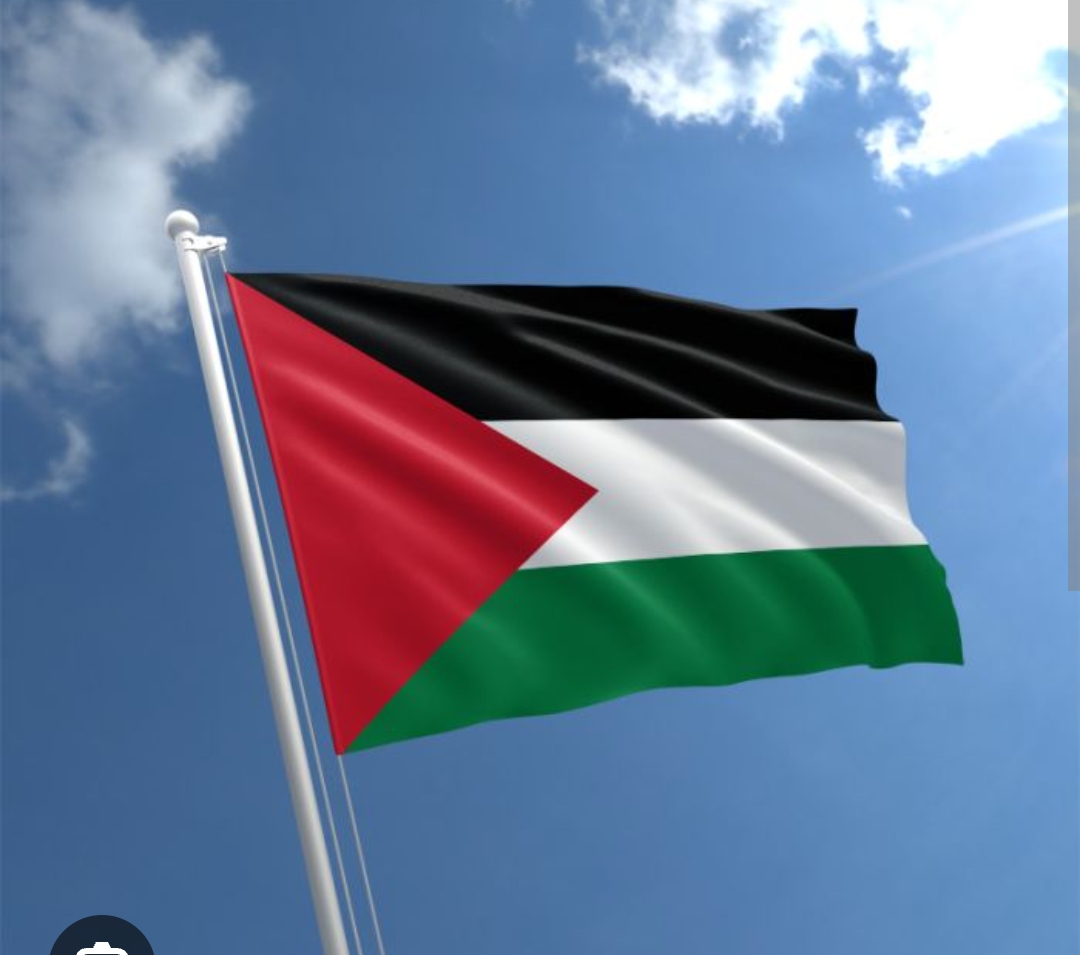
The Palestinian Statehood Initiative: A Strategic Move in International Politics:
In the intricate web of international diplomacy, few issues evoke as much passion and controversy as the Israeli-Palestinian conflict. As the world watches, a significant development looms on the horizon: the French-Saudi-led initiative to have the UN General Assembly (UNGA) recognize a Palestinian state in September 2025. This initiative is not merely a procedural maneuver; it represents a bold attempt to navigate the political deadlock in the Security Council, where vetoes have historically stymied meaningful progress. While the UNGA’s vote cannot legally override a veto or create a binding state, its potential impacts are multifaceted, encompassing symbolic, diplomatic, legal, and practical dimensions.
1. Symbolic and Normative Impact: Cementing the “Statehood” Fact:
At its core, the vote in the UNGA would serve as a powerful symbolic gesture, elevating Palestine’s status on the international stage. An overwhelming vote in favor of recognizing Palestinian statehood would send a clear message: that the vast majority of the international community considers Palestine to be a state. This elevation of status could strengthen Palestine’s legitimacy in the court of world public opinion, reinforcing the principle of self-determination that is foundational to international law.
Moreover, the vote would reaffirm the pre-1967 borders as the basis for a two-state solution, a principle already embedded in numerous United Nations Security Council (UNSC) resolutions, such as Resolution 242 and 338. By doing so, it would politically isolate Israel and major powers, particularly the United States, that oppose this recognition. The vote tally could be presented as a demonstration of global consensus against their position, further legitimizing Palestine’s claim to statehood.
2. Diplomatic and Political Impact: Changing the Game on the Ground:
The implications of the UNGA vote extend far beyond symbolism. It would exert significant diplomatic pressure on holdout nations, particularly Western powers like the UK, Germany, Canada, and Australia, that have yet to recognize Palestine. With over 140 nations supporting the initiative, it would become increasingly challenging for these countries to maintain their opposition.
For Palestine, a successful UNGA resolution would enhance its diplomatic standing, complicating any attempts by Israel or the U.S. to insist on negotiations starting from a “blank slate.” Instead, they would be negotiating with an entity that possesses enhanced international legitimacy, potentially shifting the power dynamics in their favor. Additionally, this newfound status could enable Palestine to argue for greater participation in international organizations and treaties, further solidifying its identity as a state within the global system.
3. Legal and Practical Impact: Opening New Avenues:
The potential legal and practical impacts of a UNGA resolution could be transformative. For instance, Palestine’s enhanced status could facilitate its membership in various international bodies. While it is already a member of the International Criminal Court (ICC), this new status could bolster its ability to pursue cases and demand broader recognition of the court’s jurisdiction.
Furthermore, Palestine could gain full membership in specialized agencies like the International Civil Aviation Organization (ICAO) or the World Health Organization (WHO), although some of these require Security Council recommendations. The resolution could also invoke the “Uniting for Peace” precedent, allowing the GA to convene emergency sessions in response to major flare-ups in Gaza or the West Bank. Such sessions could recommend collective measures, including potential sanctions or peacekeeping missions, which, while not binding, would carry significant political weight.
The International Court of Justice (ICJ) could also become a viable platform for Palestine to bring cases against Israel, particularly in light of its status as a state party to various international conventions, including the Genocide Convention. This legal avenue could empower Palestine to challenge Israeli policies on the international stage more effectively.
4. Impact on Israel and the United States:
Unsurprisingly, Israel’s response to the UNGA vote is anticipated to be one of vehement opposition. Israeli leaders view this initiative as a unilateral step that bypasses direct negotiations, where they currently hold significant leverage. In reaction, Israel may resort to punitive measures, such as withholding tax revenues it collects for the Palestinian Authority, accelerating settlement expansion, or further isolating Gaza. For Israel, this would be perceived as a major diplomatic defeat.
The United States finds itself in a complicated position. While it officially supports a two-state solution, it insists that such a solution must emerge from direct negotiations. The U.S. is likely to lobby its allies heavily to vote against or abstain from the resolution. However, a lopsided vote in favor of recognition would underscore the declining U.S. ability to shape the international narrative surrounding this issue, potentially straining its relations with the Arab world and the Global South.
5. Limitations and Potential Pitfalls:
Despite the potential benefits, the initiative is not without its limitations and pitfalls. Importantly, the UNGA resolution will not dismantle a single Israeli settlement, remove a single checkpoint, or alter the day-to-day realities of occupation for Palestinians. Israeli security forces will continue to control Area C of the West Bank and the borders, leaving the fundamental issues of occupation and sovereignty unresolved.
Moreover, the initiative could inadvertently harden positions on both sides. Israel might respond by electing a more hardline government, feeling internationally cornered. This could lead to a further breakdown of coordination between Israeli and Palestinian security forces, escalating tensions.
Critics may also label the initiative an “empty victory,” arguing that it allows countries to feel they have “done something” without committing the necessary resources or political capital to pressure Israel or support Palestinian institutions meaningfully. In this sense, the vote could be seen as a symbolic gesture that fails to translate into tangible change on the ground.
Conclusion: The Impact of the September 2025 Vote:
The French-Saudi-led initiative for a UNGA vote on Palestinian statehood is not merely about establishing a state through legal means. It is a strategic political maneuver aimed at altering the diplomatic landscape in favor of the Palestinians and applying maximum pressure on Israel and the United States to engage in meaningful negotiations.
By providing Palestine with new legal and diplomatic tools to challenge Israeli policies internationally, the initiative seeks to formally align the vast majority of the international community behind a specific vision of statehood based on the 1967 lines. Ultimately, the success of the vote will not be measured solely by immediate statehood but by its long-term political and diplomatic consequences. In this new atmosphere, an Arab League leverage along with the Islamic organisation will be a valuable asset for the purpose.
In essence, the initiative represents an attempt to harness the UNGA’s power—not to override a veto with the force of law, but to transcend diplomatic stagnation through the force of global consensus. By making the two-state solution an internationally enforced baseline rather than a negotiable subject, the vote aspires to change the entire framework of the Israeli-Palestinian conflict. As the world looks ahead to September 2025, the implications of this initiative will undoubtedly reverberate across the international landscape for years to come.