



The High-Stakes Game of Diplomacy and Nuclear Deterrence
In the intricate tapestry of global politics, the interplay of diplomacy and military might often resembles a high-stakes game of chess. Each move is calculated, each piece strategically placed, and yet, the outcome remains shrouded in uncertainty. This is particularly true when nuclear powers engage in this delicate dance, where the stakes are existential and the consequences of miscalculation could be catastrophic. The historical examples of the Cuban Missile Crisis and the Cold War serve as poignant reminders of the thin line that separates diplomacy from disaster.
The Cuban Missile Crisis: A Game of Brinkmanship
The Cuban Missile Crisis of October 1962 stands as a defining moment in the annals of Cold War history. It was a period marked by heightened tensions between the United States and the Soviet Union, as both superpowers navigated the treacherous waters of nuclear brinkmanship. The deployment of Soviet missiles in Cuba brought the world to the precipice of nuclear war, with both sides engaging in a high-stakes standoff that tested the limits of diplomacy.
In this tense atmosphere, the concept of “responsibility” emerged as a guiding principle. The leaders of both nations recognized that the potential for mutual destruction loomed large, and thus, they sought to establish a “red line” that would prevent escalation. The eventual resolution—where the Soviet Union agreed to withdraw its missiles from Cuba in exchange for the U.S. removing its missiles and spying(listining) installations from Turkey—illustrated the effectiveness of a give-and-take policy. By prioritizing dialogue over aggression, both powers avoided a catastrophic conflict that could have altered the course of history.
The Cold War: A Test of Patience and Restraint
Throughout the Cold War, the superpowers engaged in a series of confrontational events that tested their resolve and diplomatic acumen. The intensity of these confrontations often ebbed and flowed, with moments of extreme tension giving way to periods of cautious engagement. The overarching theme was one of restraint, as both the U.S. and the USSR recognized the futility of pushing each other to the brink of nuclear annihilation.
In retrospect, it is clear that the Cold War was characterized by a delicate balance of power, where each side sought to maintain a semblance of stability. The principle of deterrence played a crucial role in this dynamic, as the knowledge that both nations possessed the means to cause unparalleled destruction acted as a powerful disincentive against first strikes. This understanding allowed for a level of diplomacy that, while fraught with tension, ultimately preserved peace.
The Modern Landscape: A New Era of Challenges
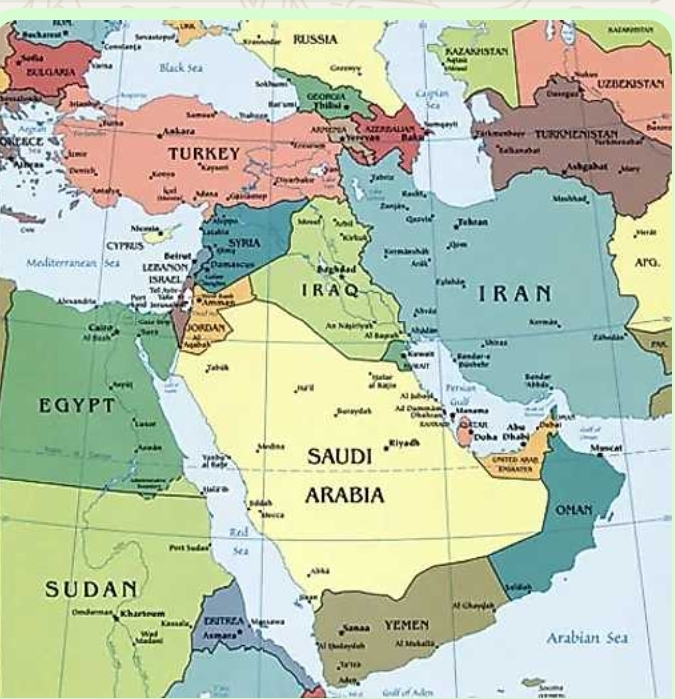
Fast forward to the present day, and the landscape of international relations has evolved, yet the fundamental challenges remain. The Iranian nuclear crisis, for instance, has emerged as a focal point of contention, raising questions about the efficacy of diplomatic engagement in an increasingly multipolar world. Critics argue that the narrative surrounding Iran’s nuclear ambitions is often distorted, driven by political agendas rather than a commitment to genuine dialogue.
The role of Israel in this context cannot be overlooked. The Israeli government’s stance on Iran, fueled by a sense of perceived existential threat, has often led to aggressive posturing that complicates diplomatic efforts. The perception of double standards becomes evident when one considers Israel’s own nuclear capabilities, which remain unacknowledged by international bodies. The hypocrisy of condemning Iran while overlooking Israel’s reality and actions raises critical questions about fairness and justice in international relations. Iran adheres to the nuclear treaty and is open for inspection. Israel does’t either.
The U.S.-Iran Tensions: A Complex Web
The recent escalation of tensions between the United States and Iran highlights the fragility of diplomatic relations in a world where military action often takes precedence over dialogue. The U.S. bombing of Iranian nuclear sites, coupled with the implicit endorsement of Israeli military actions, underscores the precarious nature of the situation. The world watched in disbelief as the U.S. declared its intent to “finish the job by Israel,” raising concerns about the potential for further conflict.
In response, Iran’s measured retaliation—targeting U.S. bases in Qatar without causing significant casualties—demonstrates a level of restraint that contrasts sharply with the aggressive posturing of its adversaries. This calculated response suggests a desire for de-escalation, highlighting the importance of maintaining open channels of communication, even amidst hostility.
The Path Forward: Diplomacy as a Solution
As the dust settles on these recent confrontations, it becomes increasingly clear that the path to stability lies in diplomacy rather than military action. The willingness of leaders to engage in dialogue, as evidenced by President Trump’s overtures towards Iran, indicates that the potential for resolution remains. The enduring contact between superpowers serves as a reminder that, despite the challenges, the pursuit of peace is always within reach. The vital interests of China and Russia, in the Middle East can not be neglected. As both nations are engaged with Iran in treaties of defence cooperations, due respect is to be accorded in the regional conflict resolution. Other recognisable regional powers to be reckoned with are Turkey, Pakistan, Egypt, Saudi Arabia and the Organisation of the Arab League.
However, the complexities of the Middle East demand a comprehensive approach that goes beyond individual conflicts. The humanitarian crisis in Gaza, the ongoing occupation of Palestinian territories, and the broader implications of regional instability must be addressed as part of a holistic strategy. The leverage held by influential leaders, such as the United States, can play a pivotal role in fostering an environment conducive to peace. Recognizing the State of Palestine in the 1967 borders with Juerusalem East as capital and respecting souvereignty of Lebanon and Syria is the surest path to regional peace and stability.
Conclusion: The Imperative of Responsibility
In the high-stakes game of diplomacy and nuclear deterrence, the imperative of responsibility cannot be overstated. The lessons of history remind us that the consequences of miscalculation are dire, and that the pursuit of peace requires a commitment to dialogue, understanding, and compromise. As we navigate the complexities of modern geopolitics, it is essential that nations prioritize the principles of diplomacy over the allure of military might.
In a world where the specter of nuclear conflict still looms large, the responsibility to engage constructively rests not only with leaders but with the global community as a whole. The path to stability may be fraught with challenges, but it is a journey worth undertaking—one that holds the promise of a safer, more just world for future generations.