



The Arrogance of Power: A Reflection on International Relations and Sovereignty
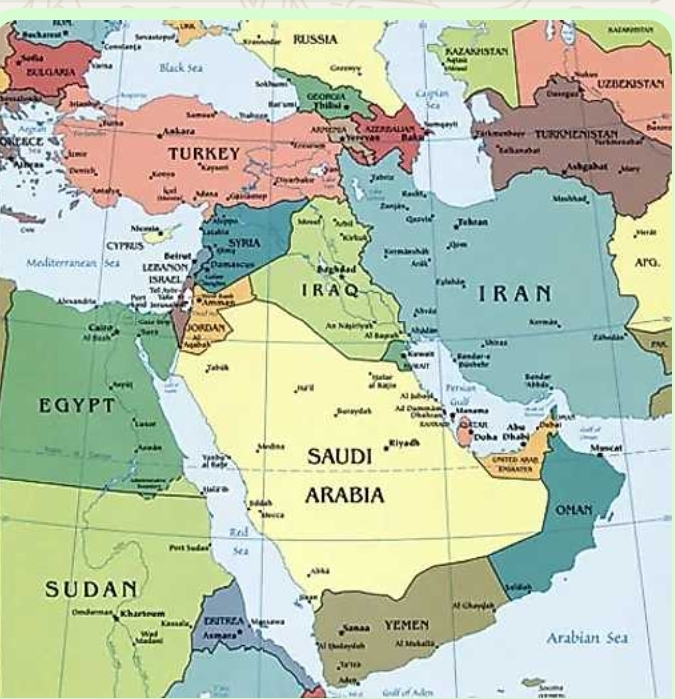
In an increasingly interconnected world, the actions of one nation can reverberate far beyond its borders, shaping the geopolitical landscape in ways that often defy logic and morality. The recent decision by the U.S. President to order strikes on three Iranian nuclear program sites exemplifies this alarming trend. While the justification for such military action may be couched in terms of national security and the prevention of nuclear proliferation, the implications are far-reaching, raising questions about arrogance, impunity, the violation of international norms and defiance of EU mediation efforts in Geneva.
At the heart of this issue lies a fundamental disregard for sovereignty. Iran, a member of the United Nations and a signatory of the Nuclear Non-Proliferation Treaty (NPT), has consistently maintained that its nuclear program is intended for peaceful purposes. The International Atomic Energy Agency (IAEA) has conducted numerous inspections of Iranian facilities, confirming that the country is compliant with its obligations under the treaty. In stark contrast, other nations, notably Israel, operate nuclear programs shrouded in secrecy, unregistered with the IAEA and exempt from the scrutiny that Iran has willingly accepted. This disparity raises eyebrows and questions about fairness in the application of international law—an embodiment of the “double standards” that often characterize global politics.
The U.S. strikes represent not only a unilateral military action but also a blatant disregard for the principles of international law. The United Nations Charter emphasizes the importance of respecting the sovereignty of member states and prohibits the use of force except in cases of self-defense or with the authorization of the UN Security Council. By bypassing these norms, the U.S. sets a dangerous precedent, one that undermines the very foundation of international relations. The implications of such actions are profound, as they erode trust among nations and encourage a cycle of retaliation that can spiral out of control.
Moreover, the rhetoric surrounding the strikes is equally troubling. The President’s ominous warning that “the worst will follow” echoes a familiar tone in international diplomacy, one that has often been employed to justify aggressive actions. This kind of language not only incites fear but also positions the U.S. as a global enforcer, willing to take matters into its own hands without regard for diplomatic channels. Such a stance is emblematic of a broader trend in which might is perceived as right, overshadowing the principles of dialogue and negotiation that are essential for resolving conflicts.
The consequences of these strikes are yet to be fully realized, but the potential for escalation is palpable. Iran has vowed to respond, and the region is already fraught with tensions that could easily ignite into broader conflict. The historical context of U.S.-Iran relations, marred by decades of hostility and mistrust, further complicates the landscape. In this volatile environment, the stakes are high, and the risk of miscalculation looms large.
Critics of the U.S. action argue that such military interventions only serve to entrench adversarial positions, making diplomatic resolutions more elusive. The path to peace is often paved with patience and understanding, qualities that seem to be in short supply in the current administration’s approach. Instead of fostering dialogue, the strikes may deepen animosities, pushing Iran further away from cooperation and into the arms of other powers, such as Russia and China, who may offer support in defiance of U.S. actions.
It is essential to recognize that the actions of the U.S. are not just about Iran; they reflect a broader attitude toward international relations that prioritizes power, absolute power, over principles. The willingness to use military force as a first resort undermines the potential for constructive engagement and diplomacy. In a world where global challenges—such as climate change, terrorism, and pandemics—require collective action and cooperation, the reliance on unilateral military solutions is not only misguided but ultimately self-defeating.
As we reflect on the implications of the U.S. strikes on Iranian nuclear sites, it is crucial to advocate for a return to diplomacy and respect for international norms. The world is at a crossroads, and the choices made today will shape the future of international relations for generations to come. Instead of perpetuating cycles of violence and retaliation, we must strive for a more equitable and just global order, one that values dialogue over destruction and cooperation over conflict.
In conclusion, the recent military actions against Iran serve as a stark reminder of the dangers of arrogance and the violation of sovereignty in international relations. The principles of international law and the norms established by the United Nations are not mere guidelines to be disregarded at will; they are the bedrock of a stable and peaceful world. As citizens of this interconnected globe, we must hold our leaders accountable and advocate for a foreign policy that prioritizes diplomacy, respect for sovereignty, and the pursuit of lasting peace. The stakes are too high, and the consequences too dire, to allow the arrogance of power to dictate our collective future.