



Xeer Issa: Beyond the Book Fair, A Legacy of Law and Harmony: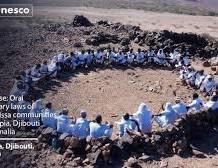
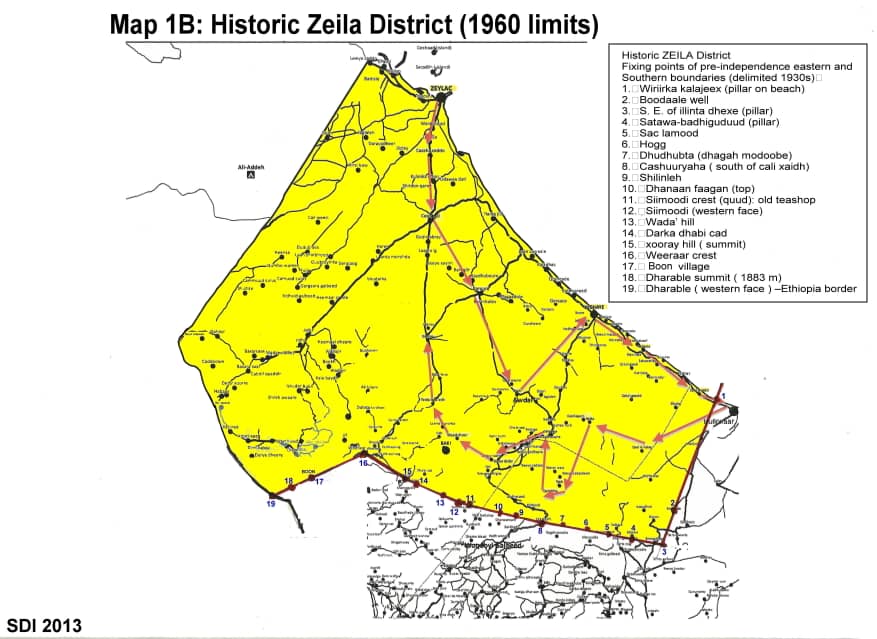
As the sun dipped behind the horizon, casting a warm golden hue over the bustling town of Zaila, preparations were underway for an event that would soon capture the hearts and minds of many. To the untrained eye, it might appear as just another book fair, a simple gathering of authors and readers eager to engage in the commerce of literature. Headlines would proclaim, “Book Fair in Zaila: A Celebration of Literature!” and public officials would extol the virtues of promoting reading and literacy. Yet, this characterization would be a profound misrepresentation, a superficial label that obscures a much deeper and more significant truth. The event is not merely a commercial literary gathering; it is a commemoration—a celebration of the Xeer Issa victory, an ancient legal system that embodies the spirit, resilience, and communal wisdom of the Issa people.
The Xeer Issa, a legal and social architecture that has stood the test of time, is not merely a collection of laws; it is a living tradition that has been passed down orally for over five centuries. Recently recognized by UNESCO as an intangible cultural heritage, the Xeer Issa is a testament to the Issa community’s enduring legacy, far removed from the transactional nature of modern publishing. To grasp the significance of the Xeer is to understand the fundamental nature of law and community among the Issa people.
In a world dominated by individualism, where books are products of solitary intellect, the Xeer Issa stands apart. It is not the brainchild of a single author, nor does it rest in the hands of a publisher. Instead, it is a collective inheritance, a tapestry woven from the experiences, wisdom, and values of an entire community. The recent academic thesis examining the Xeer Issa is an important scholarly endeavor, but it is crucial to recognize that it is merely a study of the Xeer; it does not encompass its entirety. The true essence of the Xeer is not confined to written words; it thrives in the oral tradition, where it remains a living, breathing entity that adapts to the changing dynamics of society.
The Xeer Issa is a remarkable system that has survived environmental shifts, internal conflicts, colonial rule, and the complexities of modern life. Its oral nature is not a sign of primitiveness; rather, it is a marker of its organic vitality and adaptability. Much like the British Common Law system, which is built on precedents and customs rather than a single codified document, the Xeer Issa is a fluid and evolving body of law. To attempt to compile the entirety of the Xeer into a definitive book would be an undertaking of monumental proportions, akin to codifying the Napoleonic Code. Such an effort would require decades of meticulous work, and even then, it would only capture a fragment of its essence.
At its core, the Xeer Issa is a social contract, a framework for coexistence and harmony rather than a political manifesto. It has served the Issa community for over five hundred years, providing a foundation for justice and order in both pastoral and urban settings. Its remarkable adaptability has allowed it to function effectively under various systems of governance—feudal rule, colonial administration, modern democracy and communism. This resilience is a testament to the Xeer’s capacity for harmony, enabling the Issa community under three flagships to navigate the complexities of history while maintaining its unity and republican democratic principles.
The recent recognition by UNESCO is not merely an accolade; it is a global validation of the Xeer Issa as a system of governance and social harmony worthy of international study and respect. This recognition places the Xeer Issa on the world stage, inviting all communities of Somali nationality to take pride in this shared heritage of resilience and wisdom. It is a reminder that the complexities of history and the sting of jealousy should not dictate the future; rather, they should serve as lessons for collective growth and understanding.
As the celebration in Zaila approaches, it becomes increasingly clear that this event transcends the boundaries of a typical book fair. It is a reaffirmation of identity, a tribute to ancestral genius, and a declaration of cultural endurance. The Xeer Issa is not a text to be commodified; it is a living legacy that has guided the Issa people through the ages, proving itself to be a timeless constitution of unity, adaptability, and peace.
In conclusion, the celebration in Zaila is a moment to honor the Xeer Issa, to recognize its profound significance in shaping the social fabric of the Issa community. It is an opportunity to reflect on the importance of oral traditions in preserving cultural heritage and fostering communal bonds. To reduce the Xeer Issa to a mere commodity is to miss the point entirely; understanding its true nature is to appreciate a masterpiece of human social organization. As we gather in Zaila, let us celebrate not just the Xeer Issa, but the enduring spirit of the Issa people—a testament to the power of law, harmony, and community in an ever-changing world.