



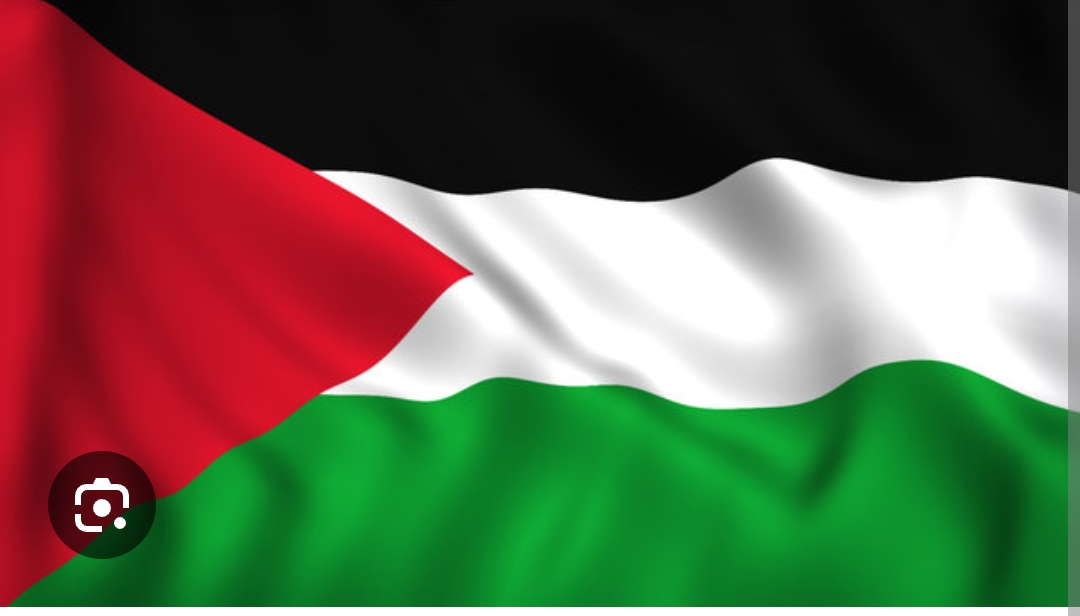
 GAZA WAR CRIMES: US LEGAL AND MORAL ACCOUNTABILITY?
Under international law, particularly the United Nations Charter, Geneva Conventions, and various human rights treaties, the question of whether the USA is legally or morally accountable for Israel’s actions in the occupied Palestinian territories is complex and depends on several factors.
1. Legal Accountability
Under the UN Charter & International Law:
-State Responsibility:
a) Under international law, a state is generally responsible only for its own actions, not those of another sovereign state (unless it exercises effective control over that state’s actions, which the US does not over Israel).
– Complicity & Aiding Violations:
However, under Article 16 of the International Law, Commission’s Articles on State Responsibility, a state may be held accountable if it aids or assists another state in committing internationally wrongful acts, knowing the circumstances of the illegal conduct.
– If the US provides military, financial, or diplomatic support to Israel while being aware that such support facilitates violations of international law (e.g., war crimes, illegal settlements, collective punishment in Gaza), it could be seen as complicit.
– The International Court of Justice (ICJ) and International Criminal Court (ICC) have mechanisms to assess such complicity.
b) Under the Geneva Conventions:
– Fourth Geneva Convention (1949) prohibits collective punishment, forced displacement, and annexation of occupied territory (which includes Israeli settlements in the West Bank).
– High Contracting Parties (including the US) have an obligation under Article 1 to ensure respect for the Convention, meaning they should not facilitate violations.
– If the US continues to veto UN resolutions condemning Israeli actions or supplies weapons used in alleged war crimes, it could be argued that it fails this obligation.
c) Arms Trade & War Crimes:
– Under the Arms Trade Treaty (2014), which the US has signed but not ratified, “states must assess whether arms exports could be used to commit war crimes”.
– If US weapons are used in violations of international humanitarian law (IHL), the US could face legal scrutiny.
2. Moral Accountability:
– Even if legal responsibility is difficult to establish, moral responsibility is often debated:
– The US provides $3.8 billion annually in military aid to Israel, which critics argue enables human rights violations.
– The US has repeatedly blocked UN Security Council resolutions condemning Israeli actions (e.g., settlements, Gaza genocidal military engagements- wars), shielding Israel from accountability.
– Many human rights organizations (e.g., Amnesty International, Human Rights Watch, UN Special Rapporteurs) argue that such support makes the US morally complicit.
3. Current Legal Cases:
– The ICC is investigating potential war crimes in Palestine, which could implicate both Israeli officials and, indirectly, their international backers.
– The ICJ is examining the legality of Israel’s occupation (as per the 2024 UNGA request), which could influence perceptions of US responsibility. The US courts have threatened at the highest level.
Conclusion:
– Legally, the US is not directly responsible for Israel’s actions, but it could be considered complicit if it knowingly aids violations.
– Morally, given its extensive support for Israel despite documented violations, many argue the US shares responsibility.
– Enforcement remains weak due to US political power, vetoes at the UN, and non-ratification of key treaties (e.g., ICC Rome Statute).