



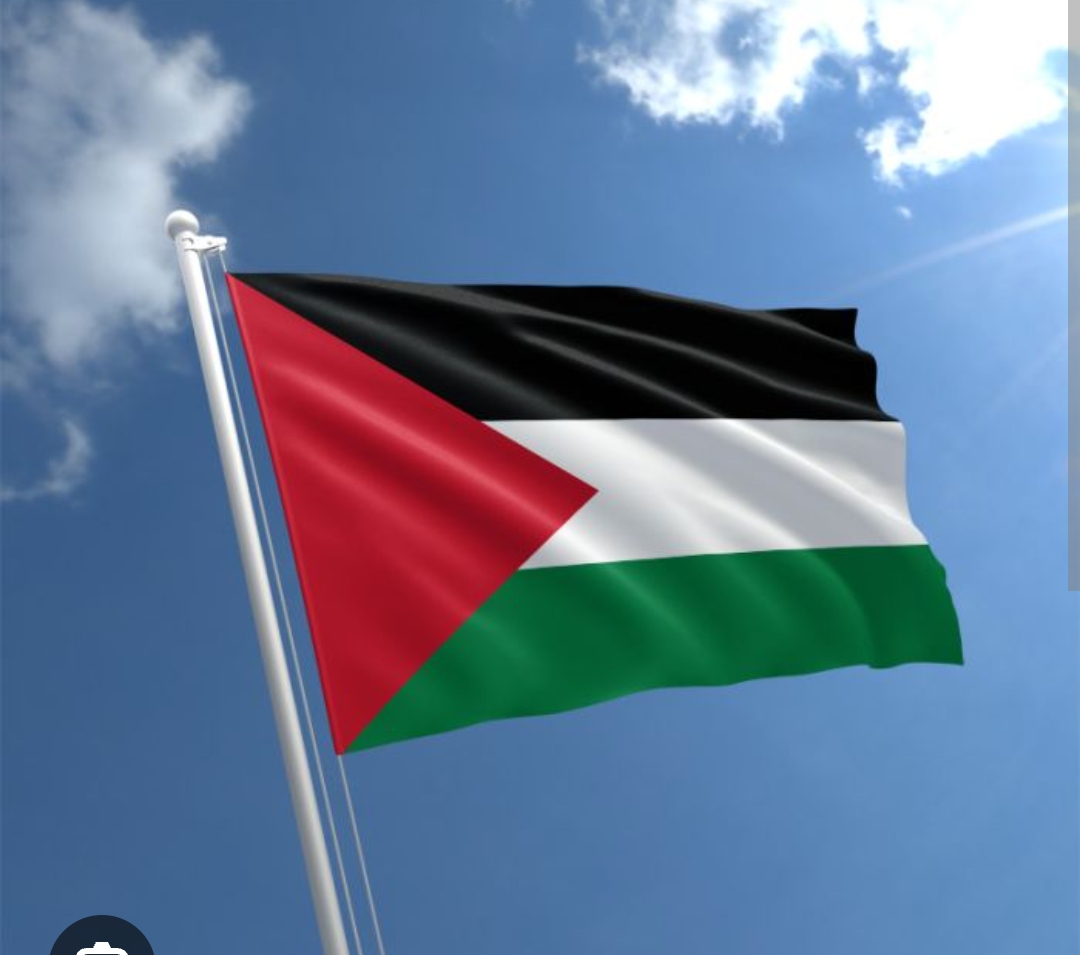
True solidarity in international relations requires active engagement and accountability. In the context of the Israeli-Palestinian conflict, this engagement must center around several key strategies: conditioning aid and arms sales on compliance with ceasefires and the end of occupation, supporting United Nations mechanisms, and confronting extremist government actions. This essay will discuss the necessity of these measures while analyzing the implications of performative solidarity.
The Israeli-Palestinian conflict has its roots in decades of political turmoil and violence. The struggles involve complex historical narratives and deep-seated animosities. Recent years have seen increased global awareness of Palestinian suffering, drawing attention to the need for meaningful solidarity. However, mere recognition of Palestine without actionable support risks becoming performative, detracting from the urgent need to address the conditions that perpetuate violence and injustice. Without conditioning Western support on compliance with ceasefire agreements and an end to occupation, efforts towards a peaceful resolution may fail to materialize, continuing the cycle of conflict.
Conditioning aid and arms sales to Israel on ceasefire compliance and ending the occupation could reshape the dynamics of the Israeli-Palestinian conflict. The United States, as Israel’s largest ally, holds significant influence. By leveraging this power, the U.S. could encourage Israel to pursue a more peaceful approach. In recent years, U.S. arms sales to Israel have continued despite ongoing military confrontations. This situation raises questions about ethical responsibility and complicity. Conditioning these sales on Israel’s adherence to ceasefires or meaningful negotiations for peace may provide the necessary pressure to revive dialogue and reduce violence.
Support for United Nations mechanisms is another crucial component of true solidarity. Organizations such as the United Nations Relief and Works Agency for Palestine Refugees in the Near East play a significant role in providing essential services to Palestinian refugees. Sustained and increased funding for these agencies is vital. Furthermore, supporting the enforcement mechanisms of international law, such as those provided by the International Criminal Court or the International Court of Justice, is imperative to hold violators accountable. Increased Western support for such mechanisms would signal a commitment to justice, rather than a mere involvement in status quo politics.
The cornerstone of achieving lasting peace also necessitates confronting the extremism of certain Israeli governmental policies. Addressing the actions of individuals like Prime Minister Benjamin Netanyahu is essential in promoting true solidarity. Netanyahu’s government has actively pursued settlement expansion in Palestinian territories, exacerbating tensions. These actions often align with extremist ideologies that dismiss Palestinian rights. By imposing sanctions on settlements or advocating for a reconsideration of the United States’ veto power in the United Nations Security Council, Western nations could hold Israel accountable for its actions, which are often in violation of international law. Without taking tangible actions against extremism, Western nations risk perpetuating the conditions that foster violence and mistrust.
The discussion surrounding solidarity must also consider various perspectives within both the Israeli and Palestinian communities. Voices advocating for peace from both sides reveal that a significant portion of the populations seek a resolution to the conflict. Figures like Palestinian Authority President Mahmoud Abbas and Israeli peace activists advocate for negotiations and a two-state solution. However, the progress towards this ideal remains hindered by hardline political stances and lack of unified international support. Any solidarity efforts must involve these dissenting voices, fostering environments conducive to dialogue and collaboration.
In the realm of international politics, recognizing Palestine as a state is a complex yet crucial step. However, without concrete measures to address the underlying issues, this recognition runs the risk of being interpreted as performative. This distinction matters greatly in the context of the broader narrative surrounding Western complicity in the ongoing suffering of Palestinians. Scholars, activists, and some policymakers have raised alarms regarding this complicity, emphasizing the moral obligation to move beyond mere acknowledgment into active engagement.
As we look towards the future, developments in the Israeli-Palestinian conflict will shape international geopolitics. Emerging powers in the Middle East are re-evaluating alliances and positions regarding the Israeli-Palestinian issue. The normalization of relations between Israel and certain Arab states poses new challenges and opportunities for rethinking solidarity. It is crucial that these developments do not dilute the importance of Palestinian rights and needs. True solidarity requires an unwavering commitment to human rights, whether through political, social, or economic means.
In conclusion, true solidarity in the context of the Israeli-Palestinian conflict is multi-faceted and requires concrete actions. Conditioning aid and arms sales on compliance with ceasefires, supporting UN mechanisms, and confronting extremism are critical components. The global community must shift towards a more engaged stance to alleviate suffering and promote peace. Without these critical steps, solidarity risks becoming a hollow gesture, potentially distracting from the entrenched realities of conflict and suffering.